Boston Rental Market Summer 2026: Rents Rise as Inventory Tightens
The Boston metro enters summer with median rents up 4.2% year-over-year, vacancy at a 5-year low of 3.8%, and no meaningful new supply hitting the market until 2027.

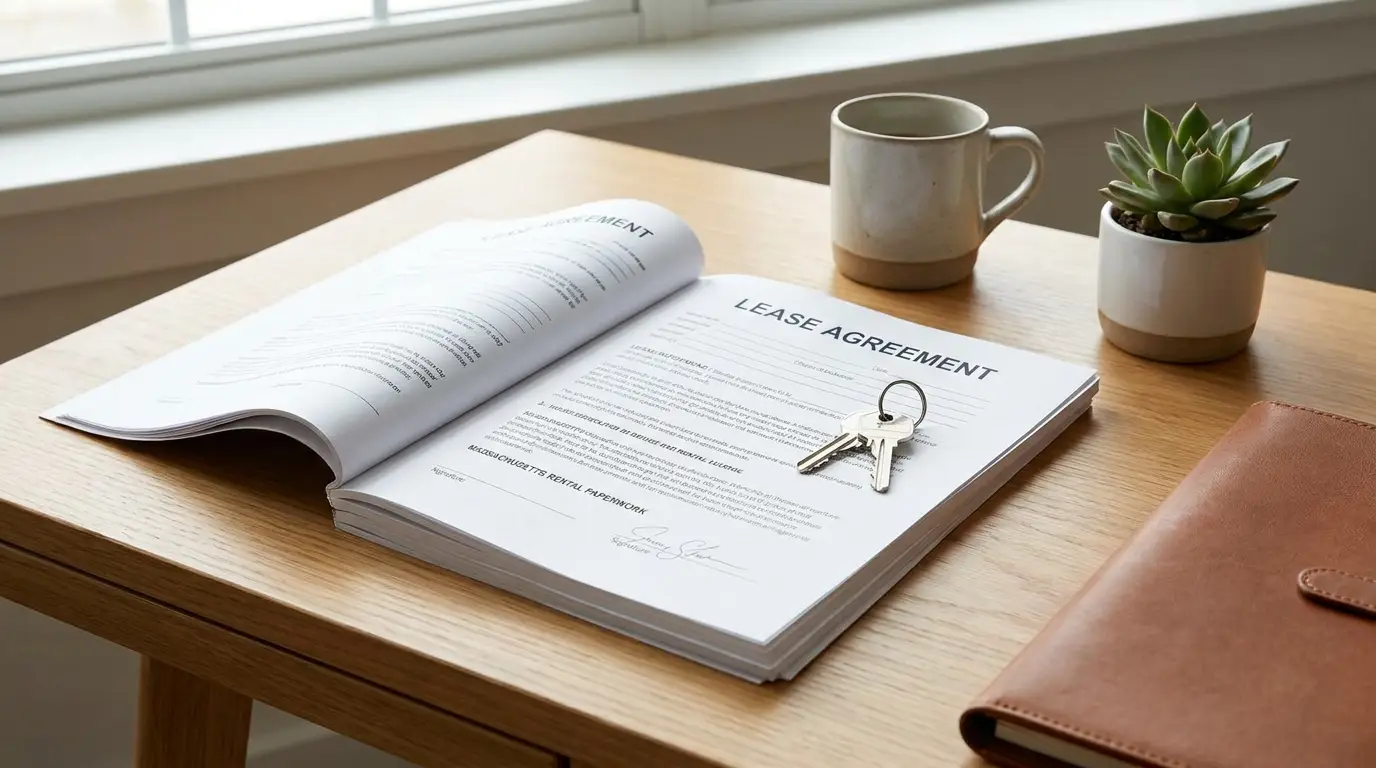
Massachusetts Security Deposit Law: The 2026 Landlord Compliance Checklist
Massachusetts has some of the strictest security deposit laws in the country. One missed step can triple your liability. Here is exactly what you need to do — and when.

Springfield, MA Is Quietly Becoming Massachusetts' Hottest Rental Market
While Boston dominates the headlines, Springfield is posting rent growth of 7.1% year-over-year — the highest of any Massachusetts city — driven by healthcare expansion, remote worker migration, and a severe supply shortage.

Cap Rate Compression in Greater Boston: Where Smart Money Is Moving
Boston apartment cap rates have compressed to 4.1% — the lowest since 2019. Institutional investors are pivoting to secondary markets. Here is what that means for individual landlords and small operators.
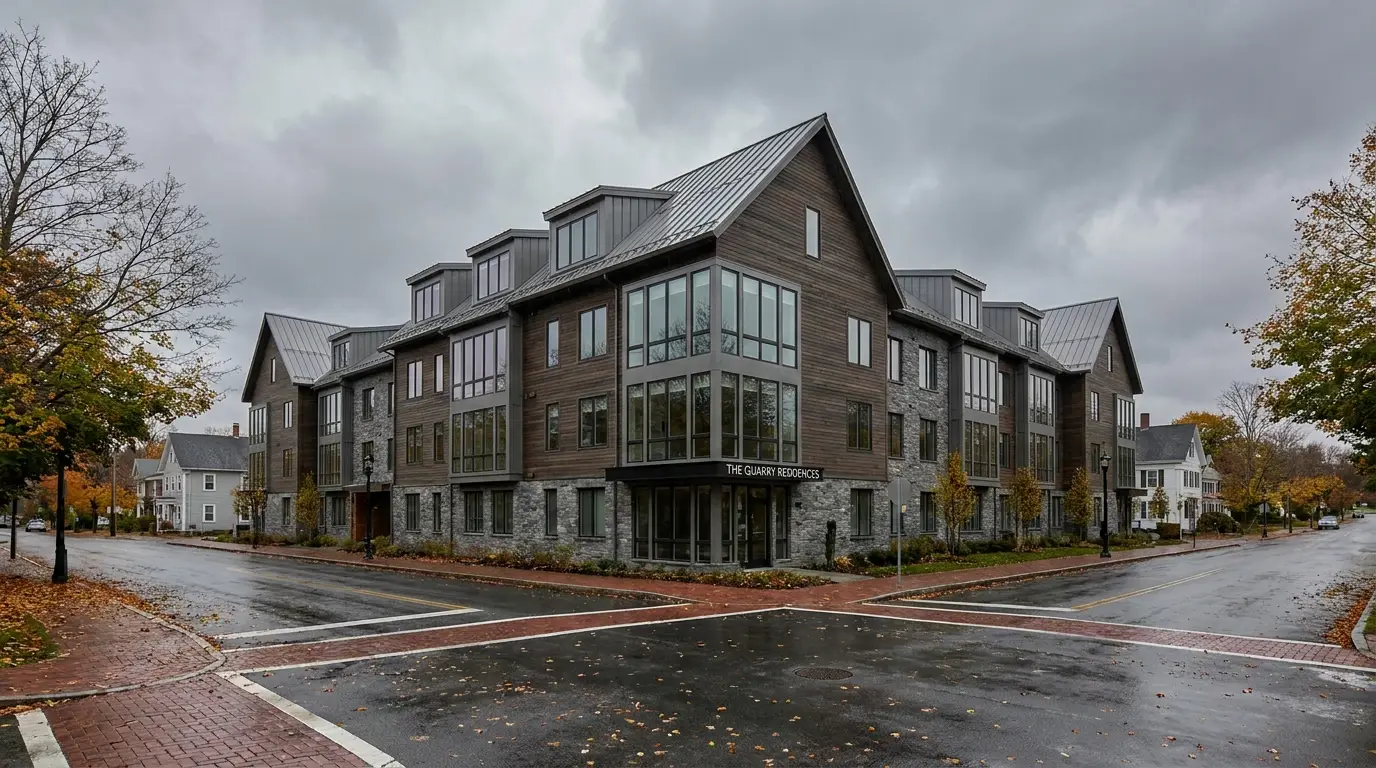
ACH Rent Collection Is No Longer Optional for Professional Property Managers
Late check runs, insufficient funds disputes, and deposit delays are costing property managers an average of $340 per unit per year. Here is the case for going fully digital — and what it takes to make the switch.
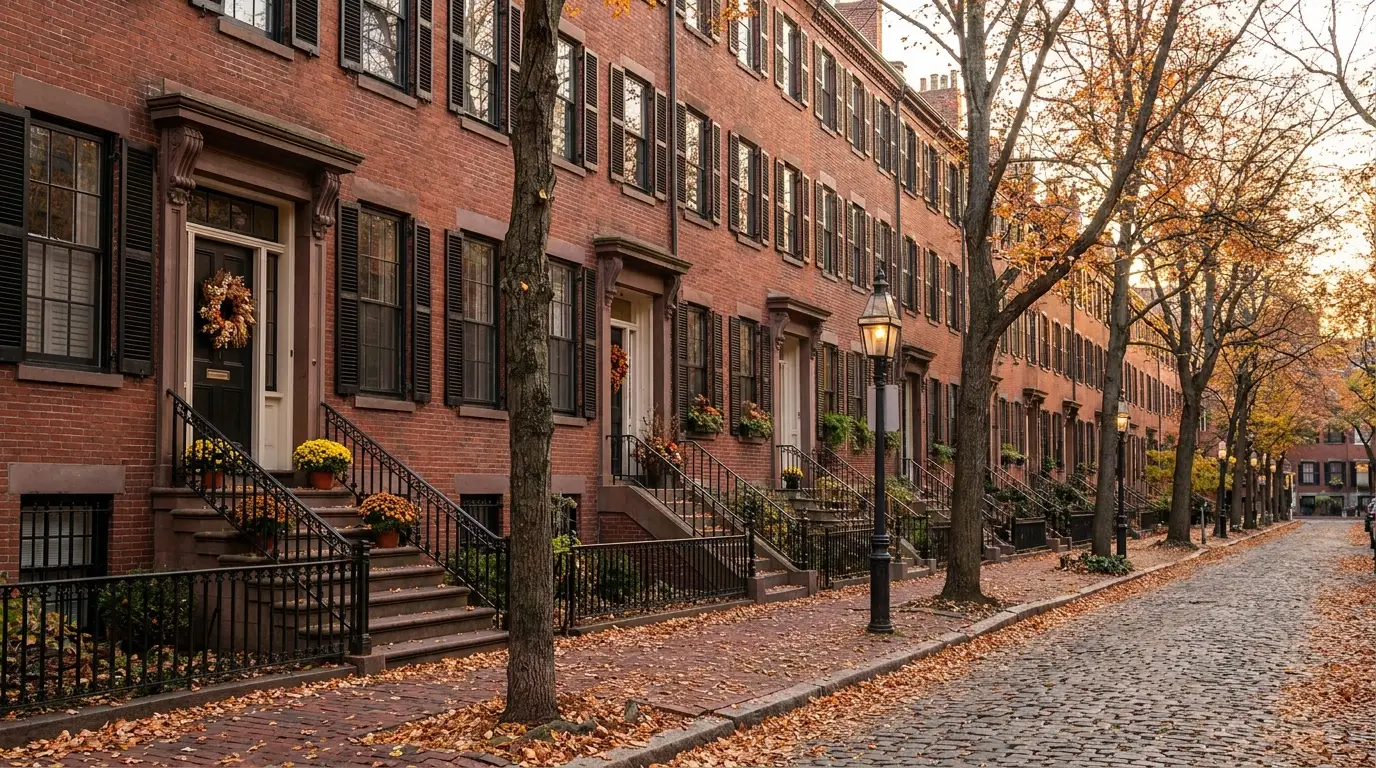
Tenant Screening in 2026: What Massachusetts Landlords Can — and Cannot — Ask
Fair housing enforcement in Massachusetts has intensified. Criminal history, income source, and rental history questions all carry legal risk. Here is the current legal landscape for screening applicants.

The Renter's Guide to Boston Neighborhoods in 2026: Prices, Commutes, and What's Actually Available
A neighborhood-by-neighborhood breakdown of what renters are actually paying in Greater Boston, how long units stay on the market, and which areas still offer relative value heading into summer.
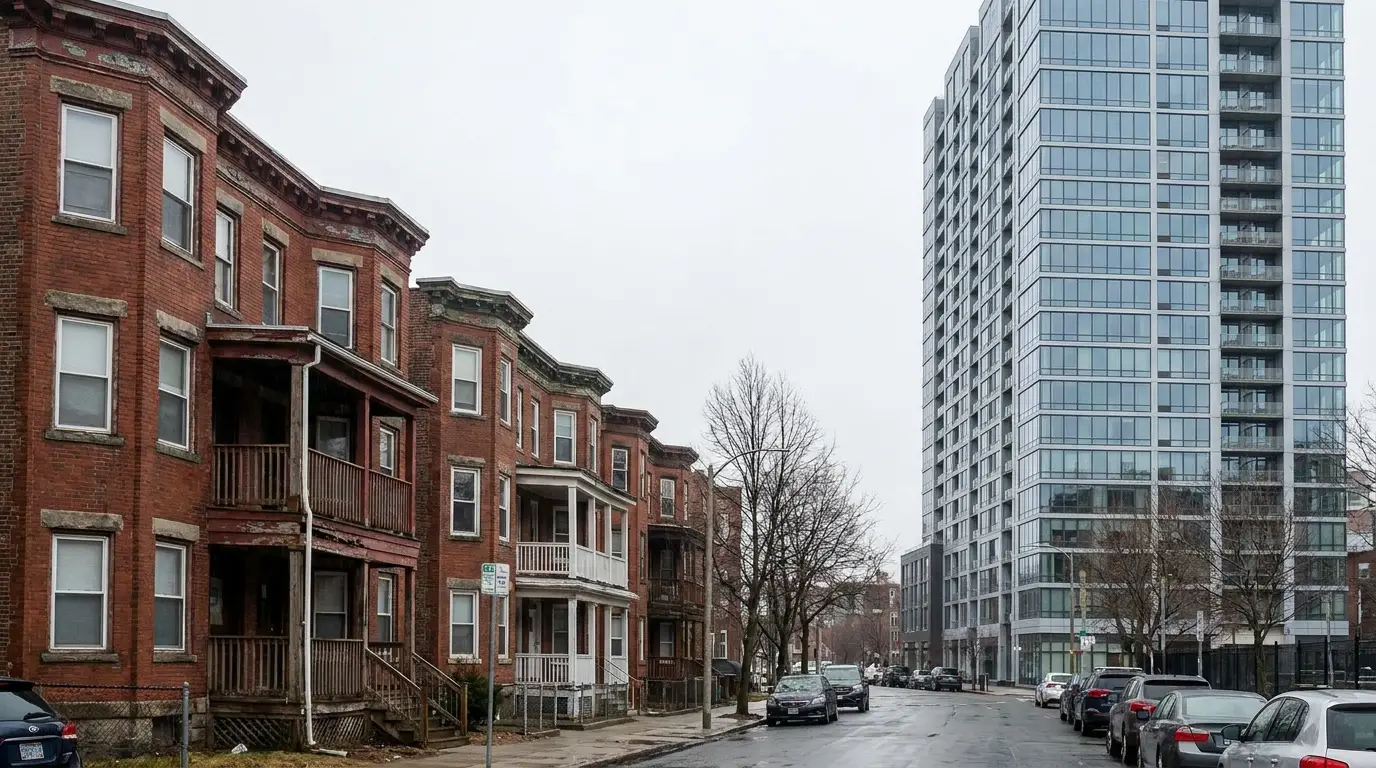
Why Small Operators Are Outperforming Institutional Landlords in 2026
Large REIT-owned apartment communities are posting higher vacancy rates and more concessions than locally-operated properties. The reason is operational — and it has lessons for every property manager.